
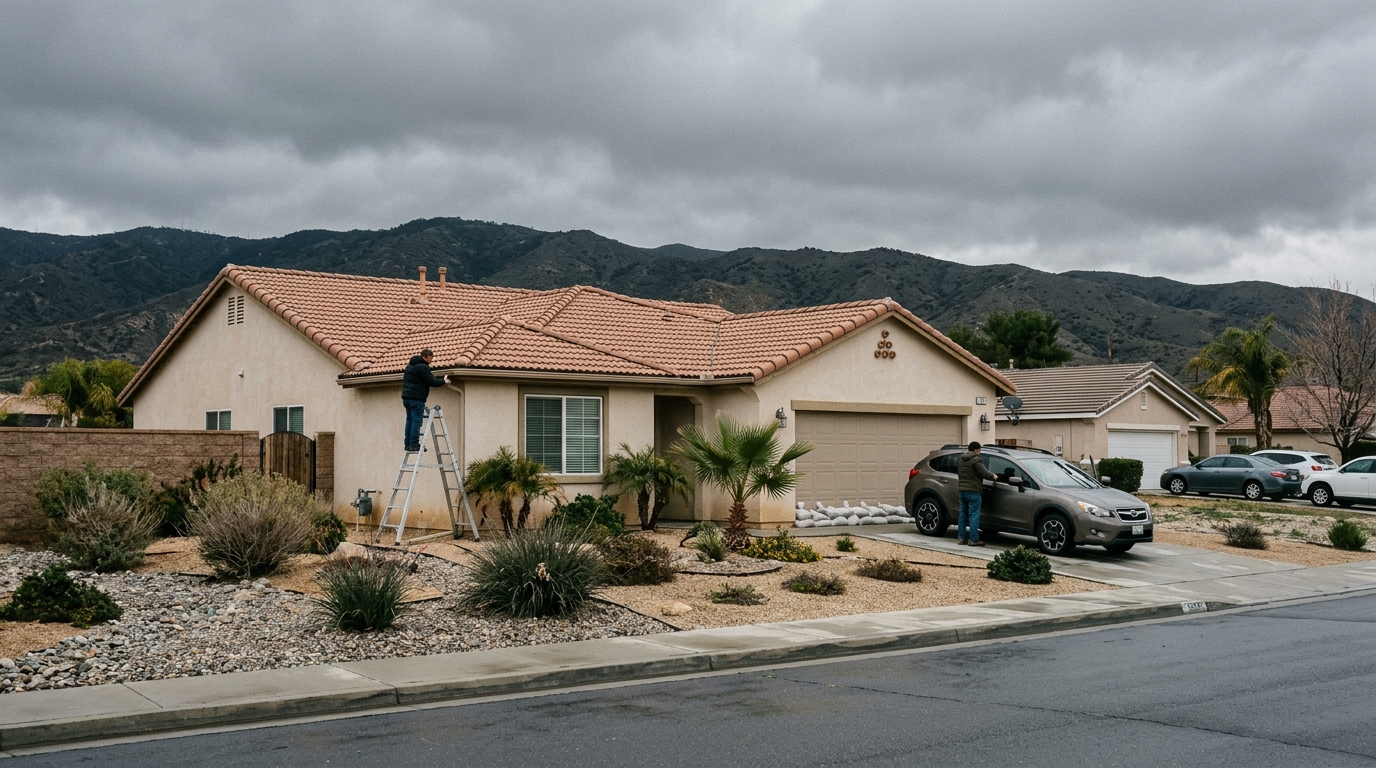
Palmdale Winter Storm Preparation: A Practical Home and Commuter Checklist. For readers in Palmdale, the most useful discussion starts with rainfall, drainage, insurance exclusions, emergency alerts and everyday travel plans. Headlines can make a complicated change sound immediate or universal, while real decisions depend on your location, circumstances, dates and reliable evidence. This guide focuses on practical steps you can use, questions worth asking and sources worth checking instead of treating one general rule as the answer to every situation.
Why This Matters Now
Treat a developing issue as a reason to check your own circumstances, not as proof that the worst outcome is inevitable. Write down what has actually changed, where the information came from, and what remains uncertain. A headline about the state does not establish conditions on every street in Palmdale. If a decision is expensive, safety-related, or difficult to reverse, verify the rule and its effective date before changing your plans.
Start with a small inventory of the people, vehicles, documents, property or services directly affected. Separate urgent needs from improvements that can wait. This simple exercise helps avoid spending money on a solution that does not address the actual problem. In Palmdale, circumstances can differ substantially from one address, route or household to the next, so a checklist is more useful when it reflects the place where you live or the trip you actually take.
Build a Useful Personal Checklist
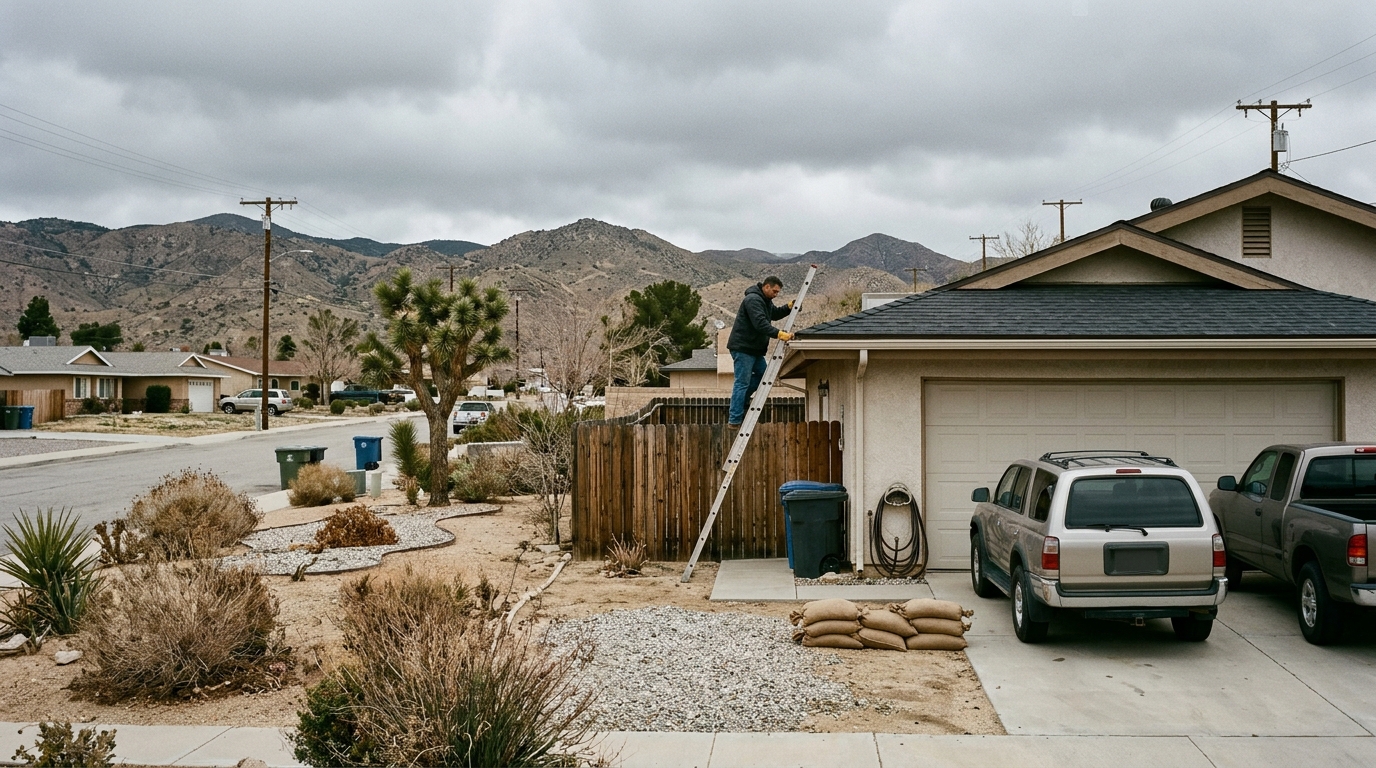
Inspect the flow of water before the first major storm rather than only when rain is already falling. Check roof drainage, ground-level drains and where runoff travels near entrances. Move important possessions out of places that have previously collected water. Never drive through flooded pavement to test its depth; a familiar shortcut becomes a poor choice when visibility and traction change.
When evaluating rainfall, drainage, insurance exclusions, emergency alerts and everyday travel plans, create three columns: confirmed facts, open questions and possible actions. This prevents an assumption from quietly becoming a fact later in the process. Keep screenshots or copies of official notices together with the dates you accessed them. If information changes, update the list rather than erasing the earlier version. A timeline is especially helpful when responsibilities, deadlines, bills or safety decisions are disputed.
Official guidance is a starting point, but broad rules should not replace a direct check with the relevant authority, provider or professional. A public webpage may describe eligibility without proving you qualify. Read exclusions, definitions and effective dates carefully. When possible, ask questions in writing and retain the answers. This habit is useful whether you are preparing a household, evaluating a product, documenting an incident or planning an unfamiliar journey.
Start With Your Own Situation
Look for the difference between a recommendation and a legal requirement. Recommendations may offer an extra margin of safety; a law or policy can create a specific obligation. Both matter, but they should be presented accurately. Check whether a rule applies statewide, only within certain jurisdictions, or only after an implementation step. Do not assume that an announcement about future action has already taken effect everywhere.
Think in terms of total cost rather than only the first payment or most visible expense. Include time, transportation, replacement options, ongoing maintenance, documentation and possible disruptions. For households, a lower initial price sometimes shifts the burden into later months. For an accident or claim, missed work and follow-up appointments may also matter. Write down your assumptions so you can revise the budget when real quotes or records arrive.
How to Compare Options Without Guessing
Useful evidence is specific, dated and preserved in its original context. Photos should show both details and surrounding conditions. Notes should record who was present, what happened and what remains uncertain without exaggeration. Receipts, account notices, inspection reports and public alerts can help reconstruct a sequence later. Avoid editing an original file when a labeled copy will do. Good organization improves your ability to explain facts clearly to another person.
Plan for people who may need additional time or assistance, including children, older relatives and anyone who depends on a caregiver or mobility aid. A technically correct plan can still fail if it ignores how people actually move, communicate or receive information. Consider language access, battery power, medications, meeting places and who is responsible for each task. Revisit this plan after changes in household schedules or routines.
Know the Risks Before You Act
Keep separate plans for a brief commute delay and an overnight disruption. Charge essential devices, identify a reliable meeting point and review alerts from local emergency management. Photograph the condition of vulnerable rooms before damage occurs; this can make later conversations more precise. Standard homeowners policies commonly exclude flood damage, so read the actual policy instead of assuming every kind of water loss is covered.
Compare more than one credible source. A government resource can explain the general framework, while local agencies can clarify closures, services or conditions near Palmdale. Providers can confirm contract terms; qualified professionals can evaluate unusual situations. Be cautious with social posts that omit dates, crop important context or promise a guaranteed outcome. An accurate answer may be narrower than the claim that attracted attention in the first place.
Make Better Decisions With Reliable Sources
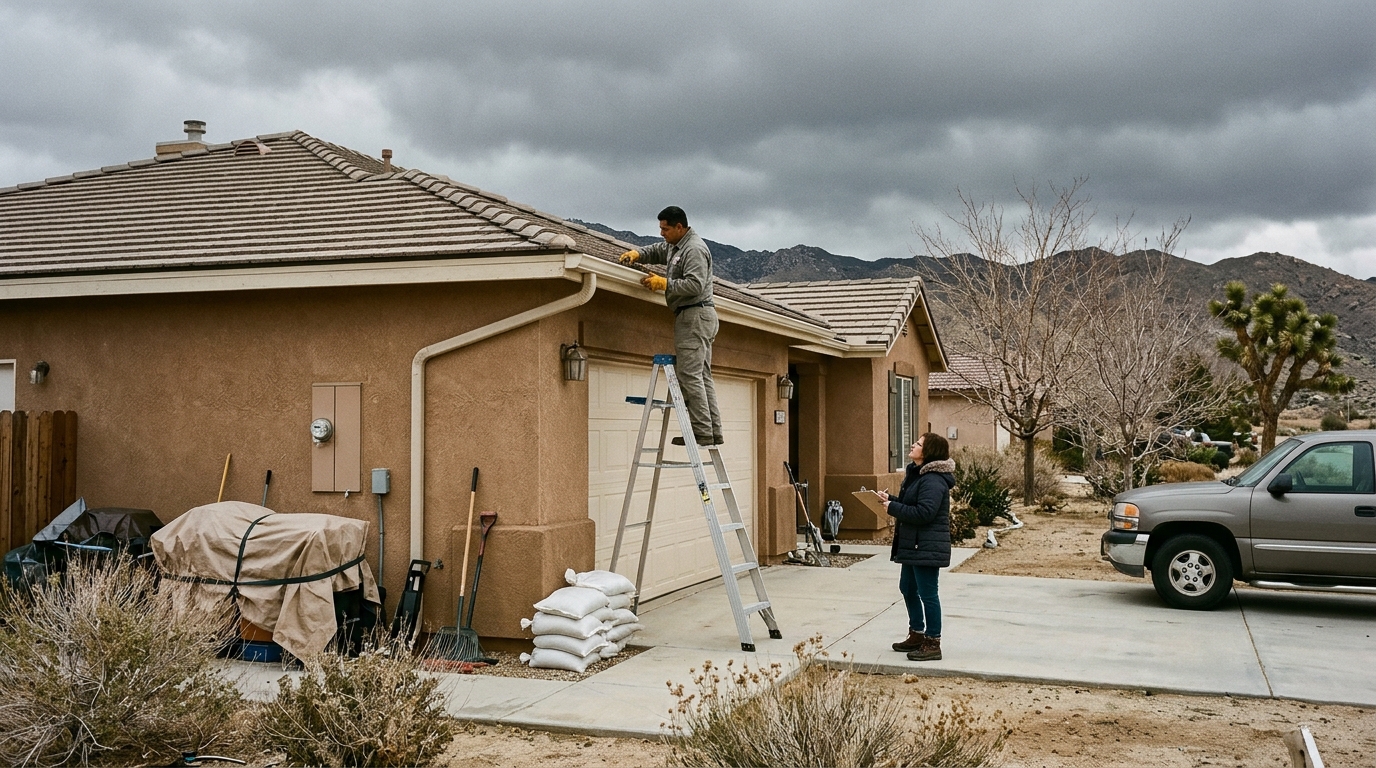
Set a realistic review schedule. Time-sensitive details such as prices, service availability, construction phases, insurance notices and safety rules can change. Put the date of your last check in your notes, then revisit the most important facts before making a purchase, starting a journey or submitting paperwork. If nothing material has changed, do not create additional work simply because another commentary post appeared online.
Communicate with others using a brief summary of the situation, its evidence and the action you are requesting. Specific questions are easier to answer than a long complaint containing several unrelated issues. Ask for reference numbers and keep the name or title of the person you contacted. When you receive conflicting answers, document both and request clarification instead of assuming the more favorable response is automatically correct.
Records and Questions Worth Keeping
Remember that prevention and recovery are different stages. Prevention focuses on reducing exposure and improving daily choices; recovery focuses on safety, documentation, services and adjusting plans after something happens. Mixing the two can produce advice that is too late to help. Make a short plan for what you can do today and a separate plan for what to do if circumstances change unexpectedly.
Use a decision threshold instead of reacting to every update. Decide which new fact would change your choice: an official closure, a written quote, an altered coverage term, a medical recommendation or a confirmed schedule. This turns monitoring into an organized task. It also reduces the chance of overlooking a genuinely significant change because your attention has been exhausted by minor headlines.
Practical Next Steps
Where money or legal rights are at stake, avoid absolute statements about what a person will receive, owe or be allowed to do. Eligibility, liability and reimbursement can depend on documents and exceptions that an article cannot examine. Use general guides to prepare better questions, not to replace individualized advice. If a deadline may apply, seek the appropriate guidance promptly instead of waiting for a general web article to resolve the issue.
Common Mistakes to Avoid
Make your final checklist short enough that it will actually be used. Keep contact information, essential records, next actions and a follow-up date together. A large plan with dozens of vague tasks is often less effective than five specific ones with owners and deadlines. Share the checklist with anyone who needs to participate, and store an accessible copy that does not rely on one phone or account.
Finally, measure success by what you can verify: a safer route, complete documentation, clearer terms, a realistic budget or an informed decision. You do not need a dramatic result for the work to be worthwhile. Accurate local information, current official references and modest practical improvements can make everyday life in Palmdale easier to manage even when the wider trend remains unsettled.
Related reading: palmdaleliving.com homepage and local guides. Planned companion article: Palmdale E-Bike Safety in 2026: What Families and Drivers Should Know.
Authoritative reference: www.insurance.ca.gov. Check current dates, eligibility and local conditions before acting.